EN
USD
EN
USD
Research
as the driving force of innovation
Automation, digitalization, sustainability
Research & Development represents the heart of technological innovation, focused on creating advanced solutions for industrial automation, process digitalization, and the transition toward sustainable production models.
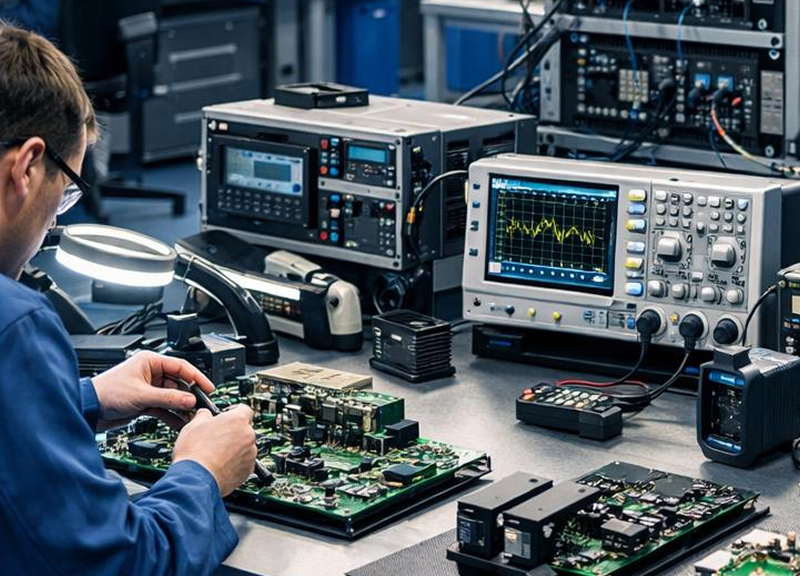
Project - Component regeneration laboratories


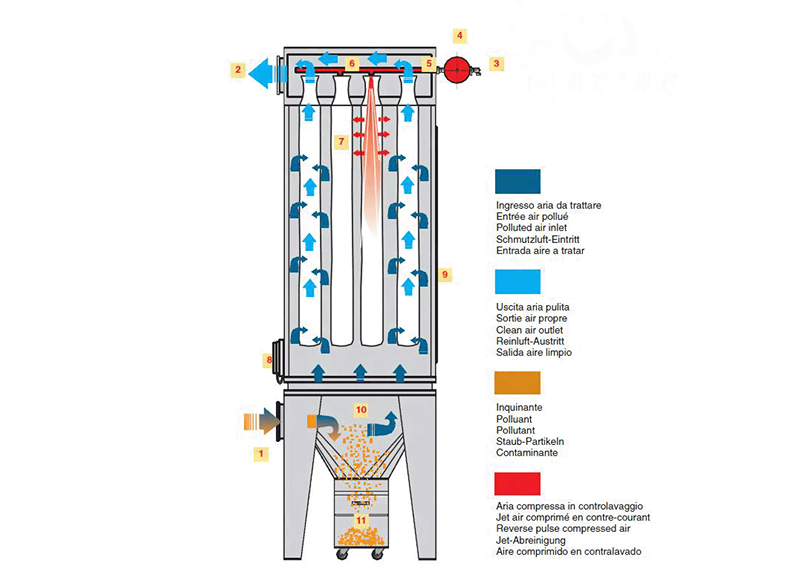
Project - Bag filter for emission reduction
The project is dedicated to the development and implementation of advanced solutions for reducing emissions generated by exhaust gases from industrial furnaces, with particular reference to plants for glassworks and cement factories. The intervention includes the installation and control of high-efficiency electrofilters for fume purification, integrated with automation systems and continuous monitoring.
Objectives:
- Significantly reduce the fine particles emitted by industrial furnaces.
- Improve air quality and reduce environmental impact.
- Ensure an effective exhaust fume control system.
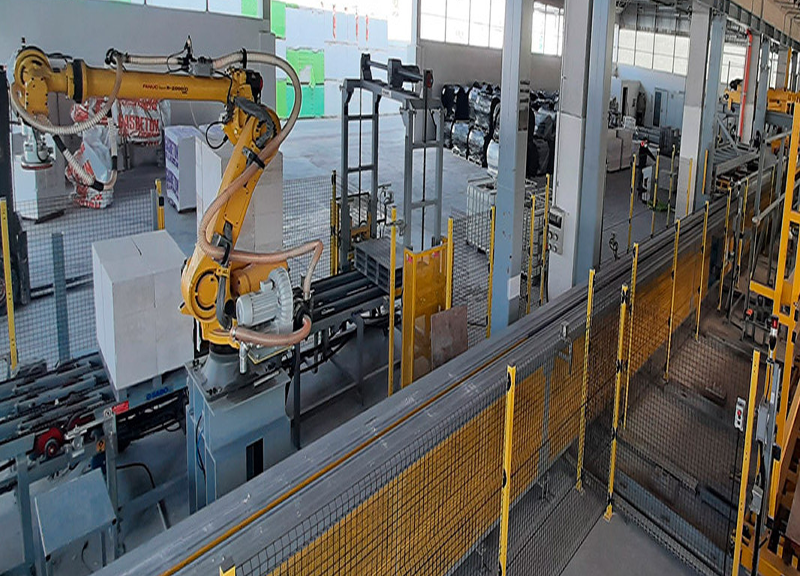
Project - Gasbeton plant regeneration
The project concerns the modernization of a production plant from the 1980s dedicated to gasbeton production, through the introduction of advanced industrial automation technologies and digital control systems. The activity included the updating of automation logics, the integration of process monitoring systems, and the adoption of digital tools for the control and optimization of operational performance. This approach made it possible to extend the useful life of the existing plant, improving its reliability, efficiency, and safety.
Project - Overheat
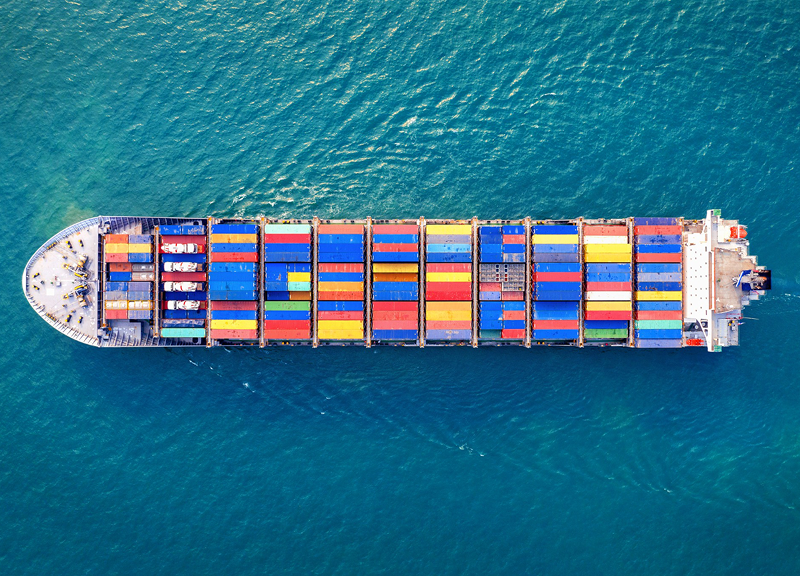
The project aims to transform existing containers into true intelligent units by integrating within them an advanced IoT sensor system capable of continuously monitoring key parameters such as CO₂, temperature, humidity, air quality, and signs of potential overheating. Thanks to remote management, operators can monitor the status of the containers at any time, intervening promptly in the event of anomalies or critical conditions. The project therefore makes it possible to enhance and modernize containers already in use, avoiding costly replacements and introducing a new intelligent, predictive, and highly secure management model.

Project - PLC-Cloud
The PLC-Cloud project is aimed at developing an advanced cloud platform for supervision, energy monitoring, and predictive maintenance of marine and port systems, integrated with PLC logics and maritime IoT sensors. The solution enables the collection and real-time processing of data from plants, allowing remote control of operational performance, analysis of energy consumption, and the early identification of anomalies or critical conditions. The integration of industrial automation, cloud computing, and IoT makes more efficient, safe, and sustainable management of maritime infrastructure possible.

Project - Intermodal call
The project aims to develop an advanced system for measuring ship emissions, both on board and from land, capable of accurately detecting the main polluting gases emitted during operational phases. The system allows continuous monitoring of CO₂, SOx, and NOx, providing reliable data on emissions of carbon dioxide, sulfur oxides, and nitrogen oxides, substances responsible for air pollution in port areas. The initiative makes it possible to introduce a transparent and traceable control model, useful for shipowners, port authorities, and regulatory bodies, facilitating the transition toward more sustainable practices and compliance with emerging environmental regulations.
Participation in European projects

Horizon 2020